Author: Dr Emily Fivian, Research Fellow, London School of Hygiene and Tropical Medicine –
Fruits and vegetables sit at the centre of most definitions of a healthy diet. Yet in our recent
qualitative research in rural Odisha, conducted as part of the Indian Food Systems for Improved Nutrition (INFUSION) project, we encountered a surprising paradox…
We asked parents of children under five about the healthiness of foods available today compared with those available during their childhoods. Most believed that today’s foods are less healthy, and perhaps surprisingly, ultra-processed and nutrient-poor packaged foods were rarely mentioned.
Instead, concerns were often directed towards fruits and vegetables. Many believed that the increasing use of fertilisers, pesticides, and other chemicals had made these foods both less safe and less nutritious than they once were.
“In earlier times, there weren’t this many fertilisers in food…it was only made with manure, so it was good. But now fertilisers and pesticides are used, which are degrading the quality of vegetables and fruits. People were healthier and would live for many years.” — Female respondent.
“The food earlier was better, but there was less of it. At that time, we didn’t use so much fertiliser. We farmed without fertiliser; we used cow dung. Compared to before, today’s food is very bad.” — Male respondent
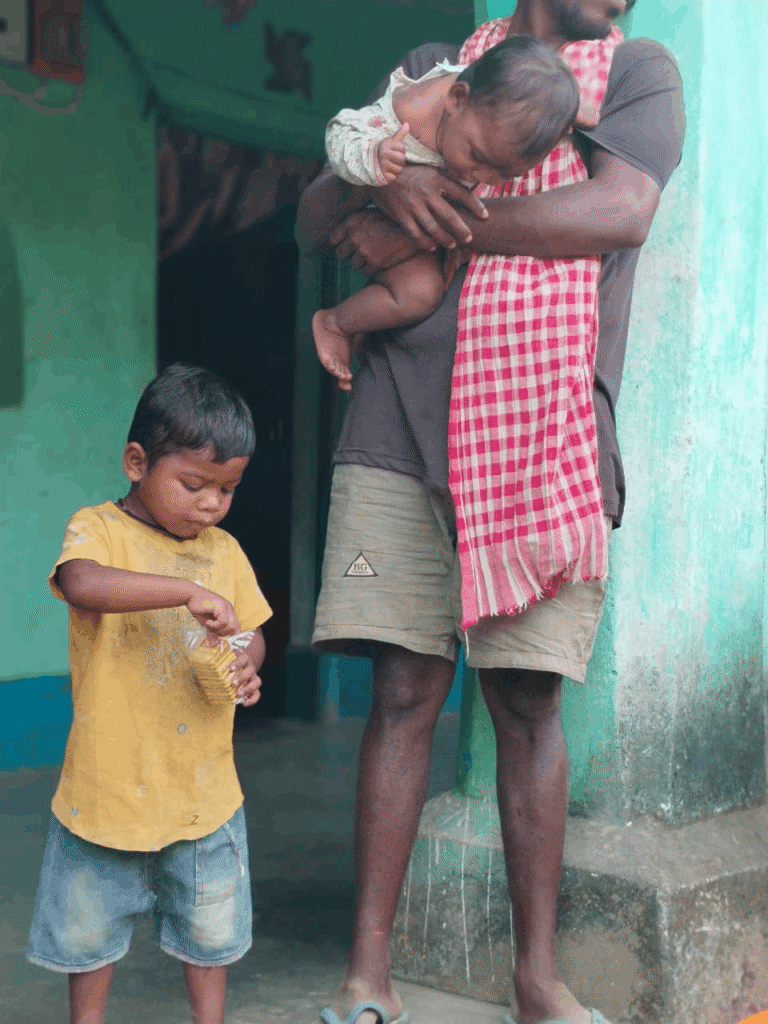
These concerns emerge in a context where children’s diets are already incredibly poor and consist largely of biscuits, rice, and potatoes. In fact, packaged biscuits are so ubiquitous that they are frequently introduced as one of the first complementary foods and are sometimes given before six months of age, despite recommendations for exclusive breastfeeding during this period. In extreme cases, they are even used as a substitute for breastmilk altogether.
“If he [respondent’s child] wakes up at 3.00 AM, he’ll say ‘Give me biscuits first’. That’s his main thing. He has eaten biscuits since he was a baby instead of breast milk.” — Female respondent.
Consequently, improving diets in this context is critical, but these findings point to an important tension. Foods occupying the highest rung of the nutritional hierarchy are themselves being questioned as healthy foods. While these concerns are locally grounded, they resonate with broader debates about food and health. Growing attention to issues such as pesticide exposure, chemical residues, and microplastics suggests that questions about contamination are not unfounded. The issue is no longer just what nutrients food contains, but also what else it carries, and what that might mean for long-term health.
This matters because increasing demand for nutrient-dense foods remains both a major goal and challenge in many contexts and is also central to our work under the INFUSION project. If consumers believe that fruits and vegetables are less nutritious, less safe, or both, they may also question whether they are worth the higher prices they often command. Such perceptions could make it even harder to increase demand for nutrient-dense foods, particularly when they compete with cheaper, more convenient, and often highly desirable alternatives such as…biscuits.