Do you think you are better off alone?
Helen Harris-Fry
Associate Professor,
London School of Hygiene & Tropical Medicine
Photographs courtesy of Animesh Satapathy, DCOR Pvt Ltd.
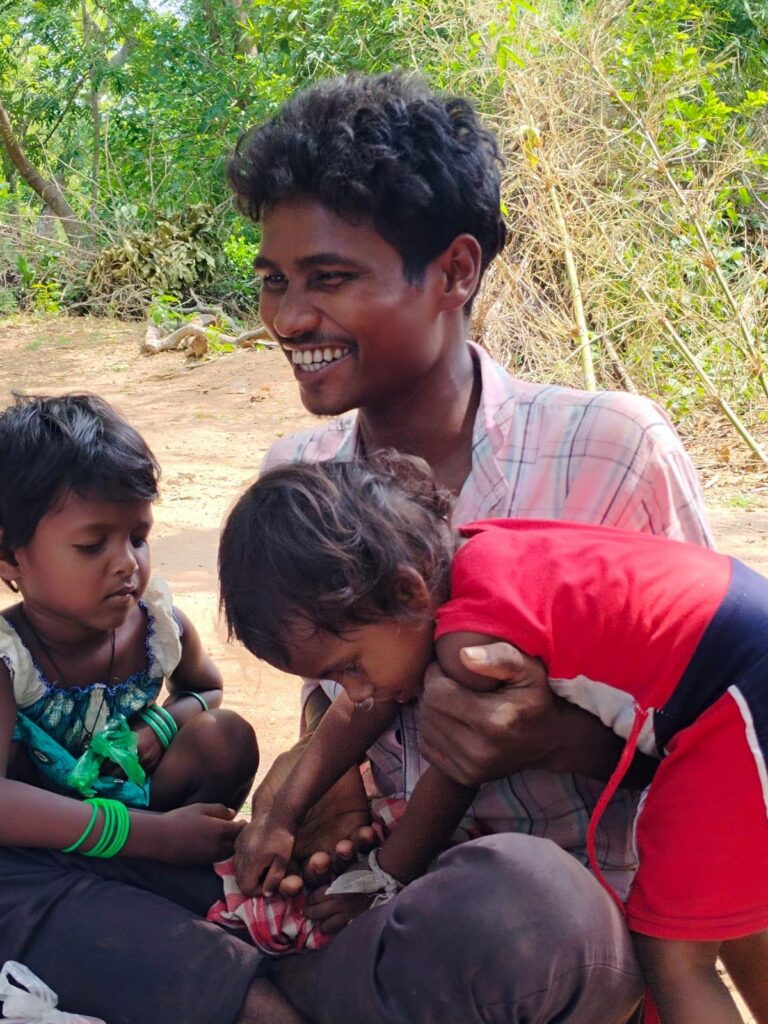
Families can be messy. In some families, cooperation breaks down, and people are better off alone. Most, however, are an undulating mixture of conflict and cooperation, and angst and love. These family dynamics are important to nutritionists, shaping people’s decisions around what foods to buy, cook, and share with others.
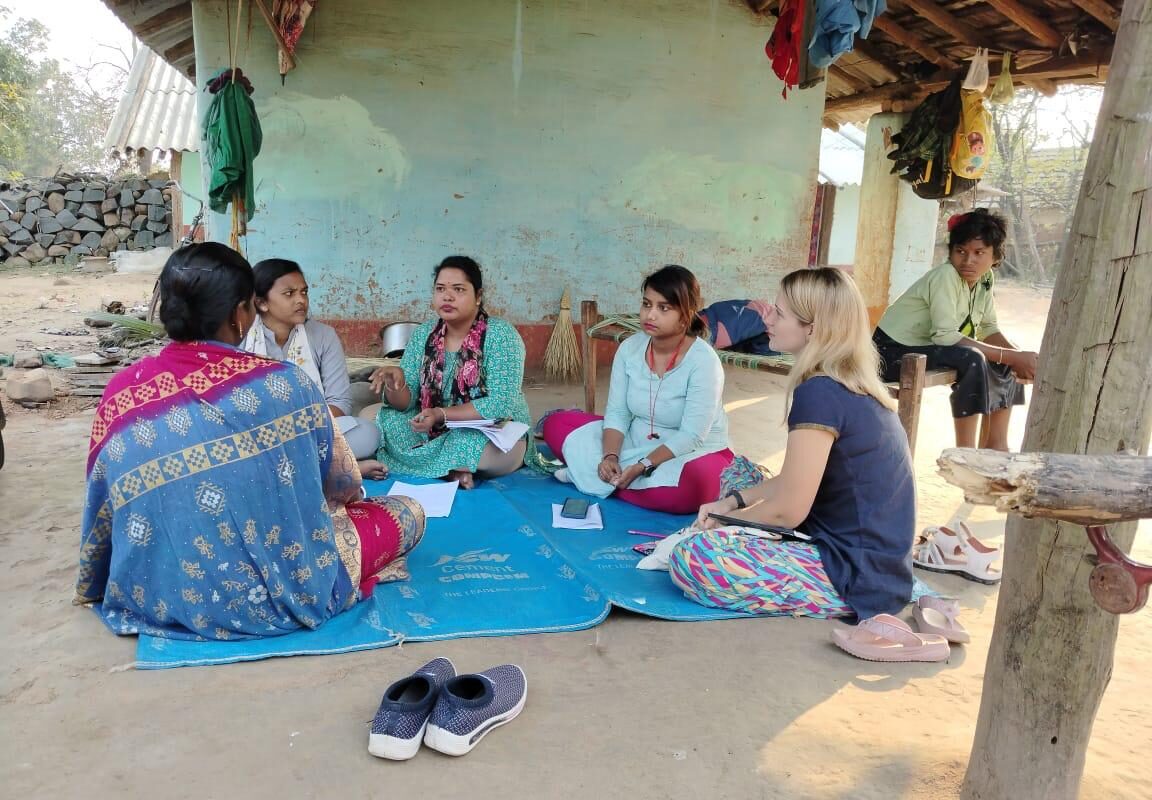
We have spent a lot of time in INFUSION trying to understand family dynamics in Bihar and Odisha states of India, using both quantitative and qualitative approaches. These are a few thoughts that we keep coming back to:
- We must meet people where they are.
We want to understand how families make decisions about food, but (understandably) few people want to share their feelings about difficult family dynamics, tension, or hardships with a stranger. One of the best ways to start conversations with young mothers was to first ask whether she is getting enough sleep, and how her family supports her when the baby is waking in the night. This proved to be a very powerful indication of how supportive the family were with other decisions, including about breastfeeding and other family food choices. I suspect one of the reasons that starting the conversation about sleep worked so well was because we were able to share empathy – participants felt heard and we could open up authentic conversations about family relationships.
- Give people space to explain.
No-one wants to talk badly about their family to a stranger. So, categorically asking whether family decisions about food or healthcare are made “solely”, “jointly”, or “not at all” produces misleading answers. We get almost 100% saying they make decisions jointly. But, if you give the options “solely, others are busy working” or “solely, others see this as my role” then you will get fewer “jointly” responses and more nuance.
- When indicators don’t indicate
This decision-making question is commonly used to indicate whether a woman has power in her family. I wonder if this indicator is capturing cooperation, rather than power… (Of course these things correlate). Meanwhile, another common indicator of women’s power is whether they are free to travel to the market or health clinic alone. I’d argue that, if no other woman in her community is allowed to travel alone, because it is not safe, then that is not freedom or power — it is neglect. We need to think carefully about what our indicators are indicating.
- People talk
As you might expect, families talk about the sort of family they want to be. They see others and reflect together on their observations of others. I suspect (but data will tell us) these are the cooperative families. On the other hand, some do not discuss this at all. For these families, it becomes almost impossible to have a conversation about family dynamics. Other issues dominate – notably poverty and alcohol. We’ll need to be careful to avoid or address selection bias. In both types of families, these decision-making processes are crucial to informing whether and how we can engage fathers in improving nutrition.
Watch this space for more results!
